What Is Included With Nursing Care?
When you're starting out on a care journey for yourself or a loved one, one of the first things to get clear on is exactly what nursing care includes in a UK care home. A common question families ask is: what is the real difference between residential care and nursing care? In this blog, we'll clarify that key distinction, dive into everything nursing care actually covers from medication to wound management, and explore the real benefits it brings, like round-the-clock expertise and peace of mind for everyone involved. Whether you're researching after a hospital stay or just planning ahead, this guide will help you understand your options.
What Is The Difference Between Residential and Nursing Care?
Residential care and nursing care might sound similar, but they really cater to different needs. Knowing the difference can make all the difference when you are trying to find the right support for someone you love. Residential homes are great for everyday personal care: think help with washing, getting dressed, meals, or getting around safely. It's provided by lovely, trained carers who aren't nurses, and it's perfect for older people who are a bit frail but don't have serious medical conditions to manage.
Nursing care takes things a step further, with qualified nurses (RGNs) on hand around the clock for more complex health needs like diabetes, breathing issues after COPD, or recovery from a stroke. They'll handle medications, wound care, catheters and regular health checks, giving that extra layer of medical expertise to your loved one.
Nursing Care - Core Services Included UK Wide
One of the questions families ask most often is exactly what nursing care involves day to day. What does a nurse actually do for a resident, and where does a carer's role fit in? It's natural to want those details when you are thinking about someone's wellbeing.
A registered nurse in a care home takes charge of medical management, this means carefully monitoring health, giving out medications at the right times, keeping precise records of every dose, and staying in close touch with the person's GP or pharmacist if anything needs adjusting. They spot side effects early, make sure prescriptions are up to date, and handle more complex regimes like insulin for diabetes or blood thinners. It's reassuring to know there is someone clinically trained right there, rather than relying on family to manage it all.

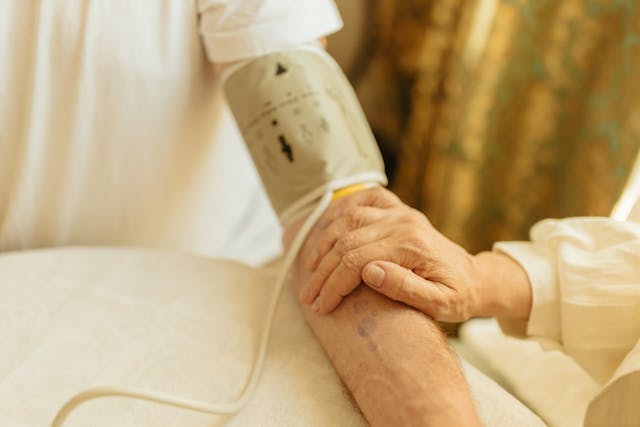
Wound care is another big part of what they do, and it can make a real difference to someone's comfort and recovery. Nurses change dressings daily on healing wounds, treat pressure sores before they worsen, manage fluids through drips if needed, and support elderly residents coming home after hospital. They know how to keep things clean and infection-free, which helps avoid those worrying about potential readmissions.
Health monitoring flows naturally from that, as nurses do regular observations, take vitals like blood pressure, pulse, or blood sugar levels and keep an eye out for subtle changes such as early signs of a urinary infection or dehydration. They catch small issues before they turn into emergencies, often preventing a trip to A&E and keeping life as stable and comfortable as possible.
Then there is specialist care, which only nursing homes can properly provide. This covers things like palliative support towards the end of life, with pain relief managed through syringe drivers and families guided through those tough conversations. Continence assessments lead to tailored products and dignity focused plans. For nutrition, they work with dietitians on thickened fluids or supplements if swallowing is tricky. Catheter or stoma care is handled expertly too, always with kindness and privacy in mind.
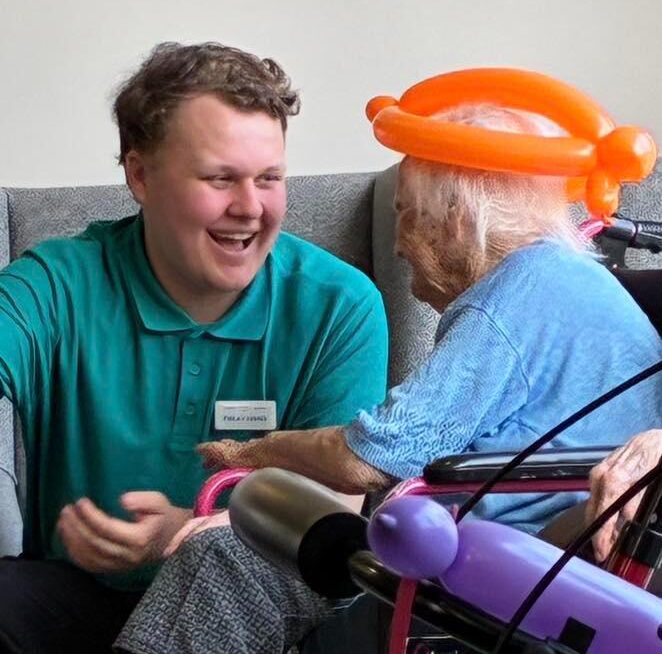
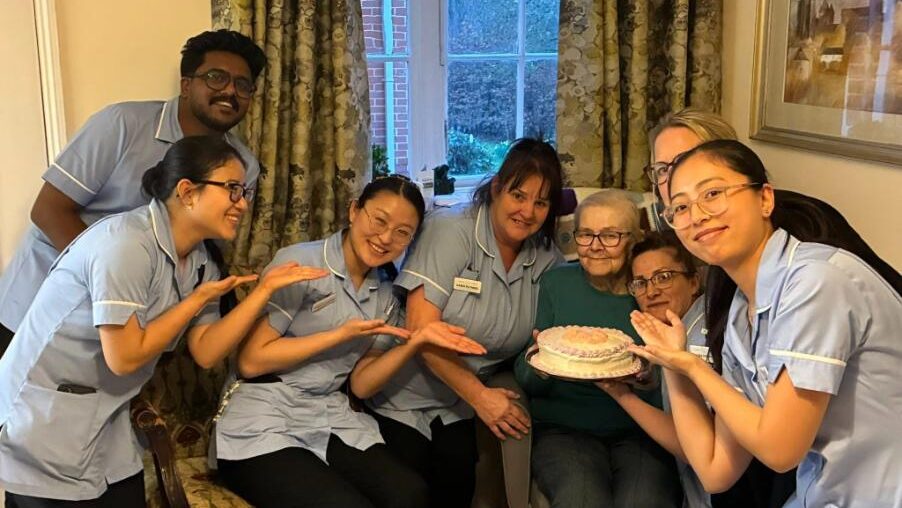
Carers, meanwhile, focus on the personal side: helping with washing, dressing, meals and mobility around the home. They build those daily relationships, spot emotional needs, and assist with activities that keep spirits up. Nurses and carers work as a team, with nurses overseeing the clinical bits and carers delivering the hands on support. Together, they create a rounded kind of care that feels thorough and person-centred. It takes the weight off families, letting you focus on being a son, daughter, or partner rather than the full time nurse.
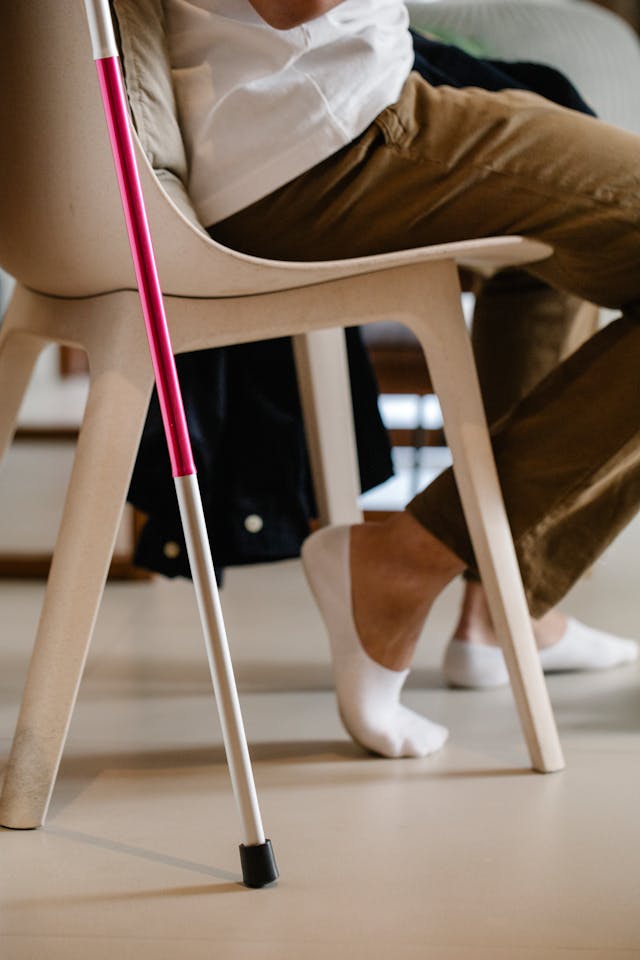
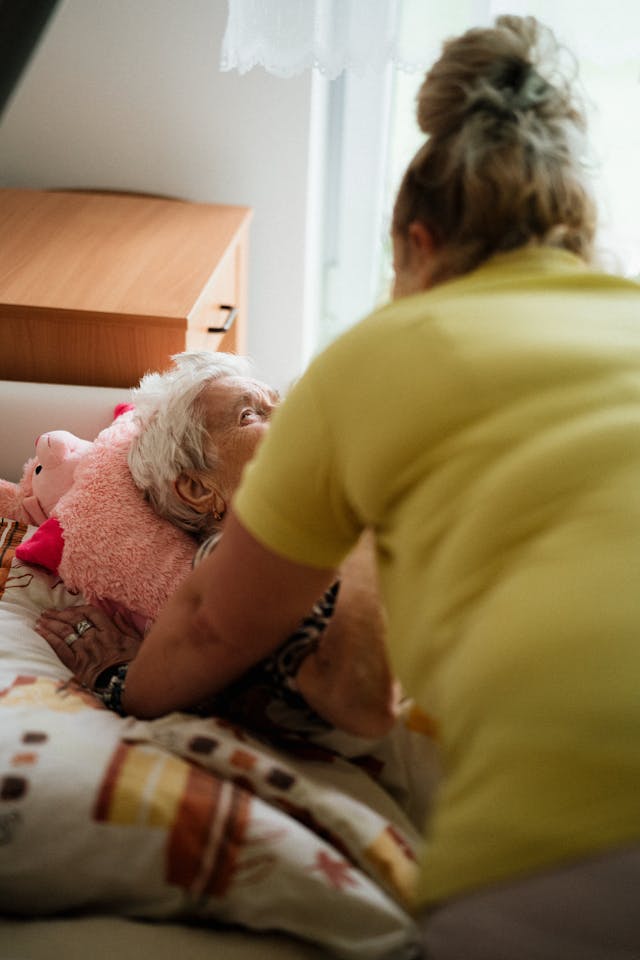
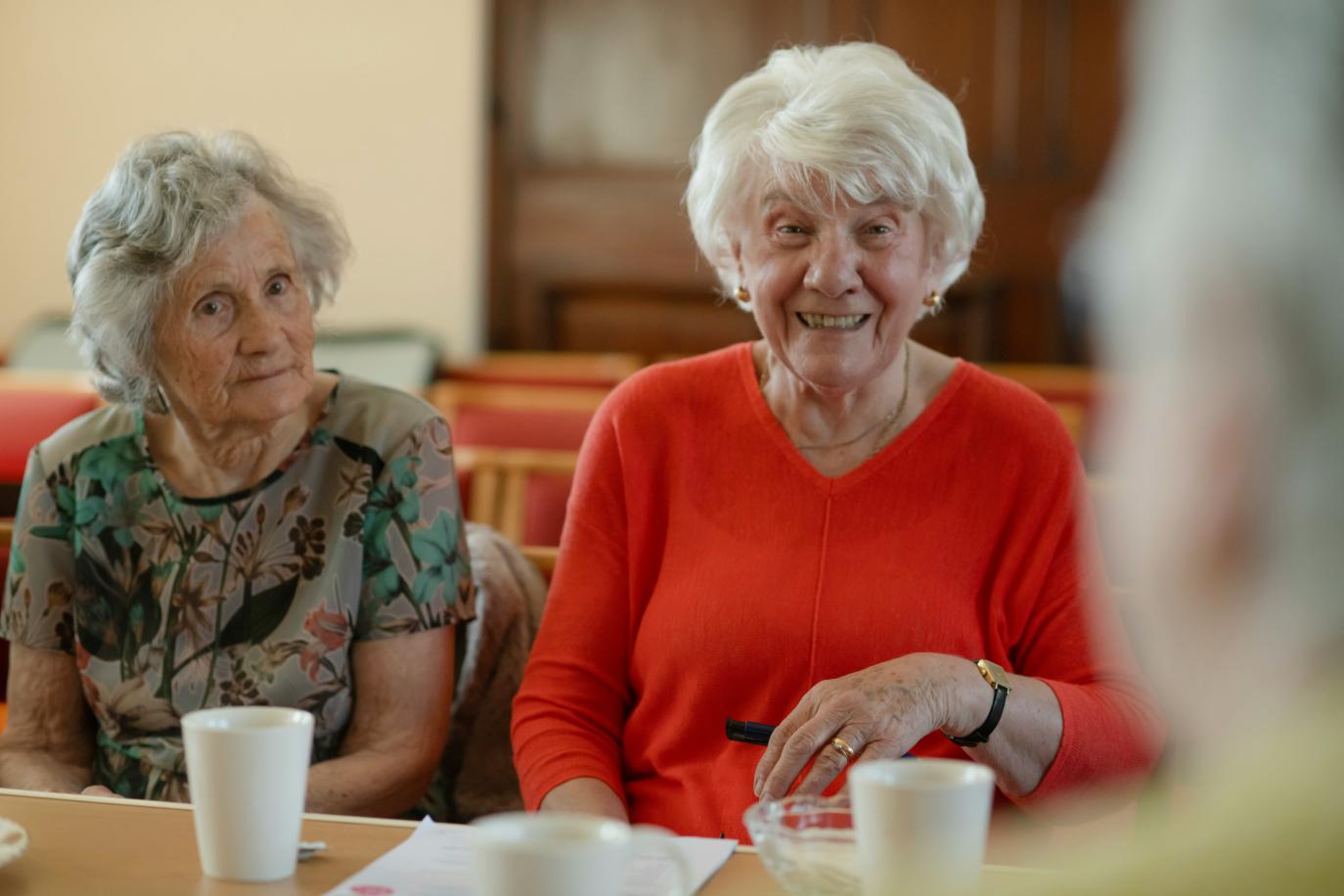
Nursing care is about much more than just the medical side. Daily life in a good nursing home revolves around person-centred support that keeps residents feeling like themselves for as long as possible. You will find enriching activities tailored to what people enjoy, whether that is listening to live music, tending a small garden, joining a quiz, or getting stuck into gentle crafts. Meals are nutritious and flexible, with options like pureed textures or special diets for swallowing difficulties, all served in a sociable dining room atmosphere.
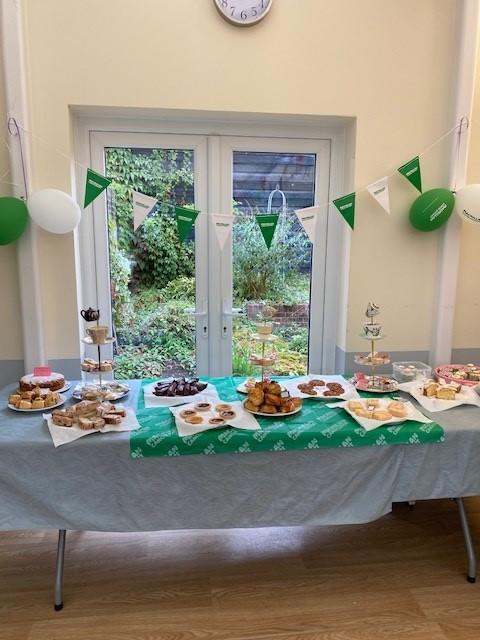
Social events bring everyone together, from coffee mornings to family film nights, helping to combat isolation. Families are welcome any time, with no strict visiting hours, so you can pop in for lunch or a chat without feeling like an outsider. Modern tech plays a quiet role too, like bed sensors that alert staff to night time wandering or fall risks, adding peace of mind without being intrusive. Its this blend of clinical expertise and warm, everyday joys that makes nursing care feel like a proper home, not a hospital.
Facilities Included At Barty House
At Barty House in Bearsted, near Maidstone, nursing care comes with facilities designed for comfort and ease in a beautiful Georgian listed building blended with modern extensions, creating a real home from home for up to 59 residents. Bright, spacious bedrooms, many with en-suite wet rooms and direct garden views, sit alongside characterful rooms in the older wing overlooking extensive grounds filled with birds and rabbits. Communal spaces include the glass-fronted Willow Lounge for countryside views, a welcoming dining room with exceptional, flexible meals (including pureed options), and accessible outdoor areas like wheelchair-friendly courtyards and traditional English gardens.
Nursing care covers 24/7 registered nurses handling medication management, wound dressings, catheter care, health monitoring, and specialist support for palliative needs, diabetes, or post-stroke recovery. Carers assist with daily living, while activities like arts and crafts, gardening, music sessions, and hair salon pampering keep things lively. Perks such as laundry services, WiFi, lifts, private dining, a terrace, and strong physio/GP links round it out. Families visit freely in this CQC-rated 'Good' home, with tech like call bells ensuring safety and dignity in a peaceful Kent setting.
Ready to Find the Right Nursing Care? Start at Barty House
Nursing care shouldn't feel overwhelming – it's about giving your loved one expert support and a real sense of home. If you're weighing up options after reading this, why not see it in action? Book A Tour Today and see how we can help you and your loved ones.