
When people talk about a continuum of care in care homes, they mean support that grows and adapts with each resident. It is not a one-size-fits-all approach. Instead, residents receive the right level of care as their needs change over time. In a care home, this approach can help avoid unnecessary moves or the stress of adjusting to new places and people. The World Health Organisation defines a continuum of long-term care as a system where services are integrated and provided over time, focusing on person-centred support rather than fragmented care. Residents remain in a familiar setting with staff who know them well, while their care is tailored to their evolving needs. At its heart, continuum care is about comfort, consistency and treating people with dignity at every stage of later life.


What This Would Typically Look Like
In a care home, the continuum of care is about supporting residents through every stage of their needs with dignity and warmth. It often begins with a gentle welcome, helping new residents settle in and feel at home, while offering daily support for meals, personal care and social activities. Staff get to know each person’s routines, preferences and life story, so care thier care plan feels personal rather than just clinical. As needs change, care staff work closely with families, GPs and other healthcare professionals to adjust support, whether that’s more help with mobility, managing medications, or specialised memory care.
For example, a resident might begin their time in the care home needing residential care, with a little help with meals and daily routines, gradually settling into the rhythm of life and forming friendships. As their needs change, additional support can be introduced, whether it’s help with mobility, managing medications, or memory care transitioning into nursing care. The focus is always on maintaining independence and quality of life, while providing comfort and reassurance when extra assistance is needed. Emotional wellbeing is nurtured alongside physical care, with opportunities to enjoy hobbies, meaningful social interaction, or quiet moments in familiar surroundings. Everyday experiences such as a shared cup of tea, a favourite book, or a walk in the garden that continue to bring connection and a sense of home throughout their journey of care. According to carehome.co.uk permanent, long‑term stays dominate care home enquiries (about 73 per cent) compared with short‑term or respite care, which makes up roughly 27 per cent of enquiries.
How Long Can You Stay In A Care Home?


Many people wonder how long a stay in a care home might last, and the answer is that it can vary greatly depending on individual needs and circumstances. A care home is designed to provide support for people who need help with daily living, whether temporarily after an illness or injury, or for a longer period due to age-related health needs. The focus is always on comfort, safety and quality of life, with staff adjusting care as residents’ needs change and care plans change.
Some residents move into a care home for short-term support, for examples this might be after a hospital stay, where extra help is needed while recovering from surgery, illness, or injury. These stays, often called “respite care,” can last from a few weeks to a few months. They provide an opportunity for residents and families to experience the care environment and for staff to plan the right level of support. Many families find this short-term care invaluable for giving both the resident and their usual caregivers a break, while ensuring safety and companionship.
Other residents move into a care home for long-term support. This is usually the case when it is no longer possible for someone to live safely at home, or when ongoing care is needed for conditions such as dementia or chronic illness take hold. Long-term stays can last several years, with the care home providing a stable environment where routines, friendships and activities help residents maintain a sense of normality and purpose. The continuum of care ensures that as needs increase, from help with personal care to more specialised medical support, the level of care adjusts without disrupting daily life.
It’s important to note that there is rarely a fixed “time limit” for staying in a care home. The duration depends entirely on a resident’s health and personal circumstances. Some people may stay for a few months, while others may spend the remainder of their lives there. Care homes are designed to support this full spectrum, offering a combination of social, emotional and practical support that can adapt over time.
Planning ahead can help families and residents feel more confident about the length of stay. Financial considerations, such as funding options through local councils or personal savings, may influence decisions about care. Many care homes are happy to discuss care plans openly, ensuring families understand how support can evolve over weeks, months, or years.
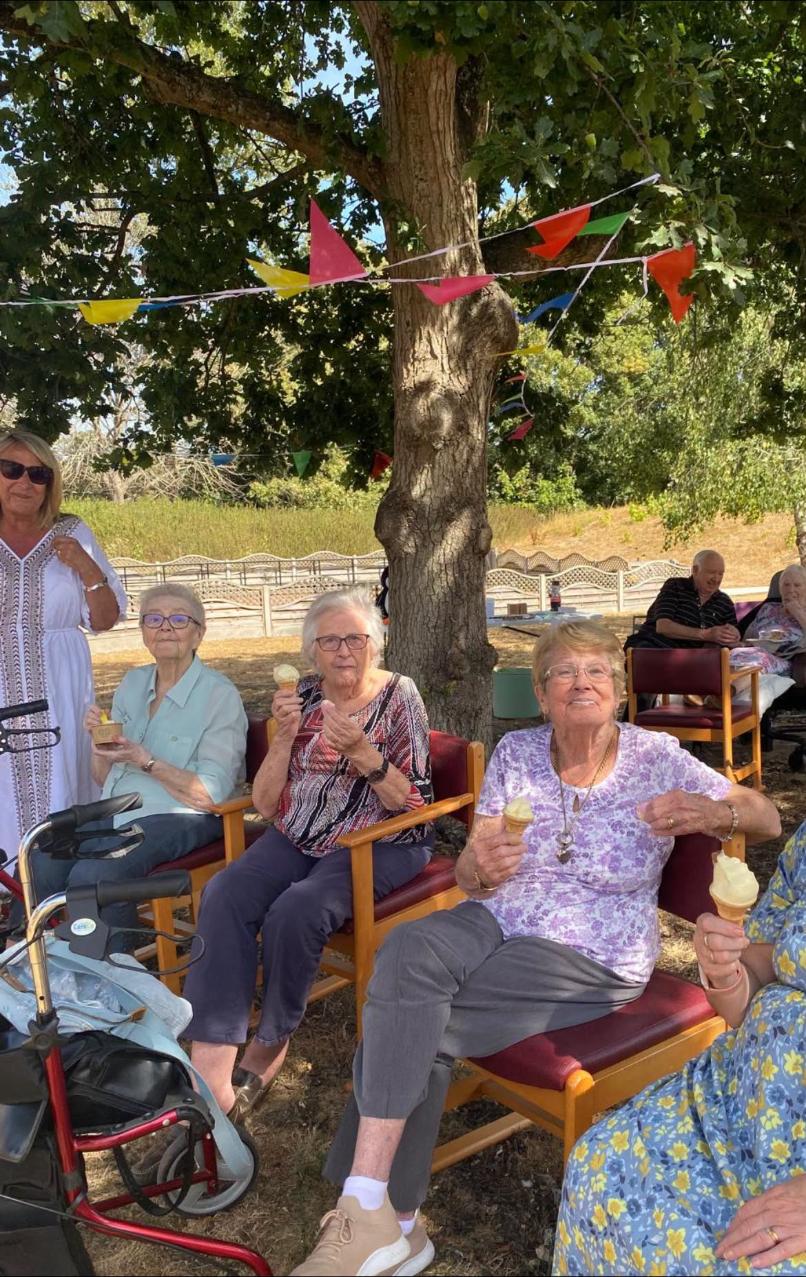
Ultimately, the success of a care home isn’t measured by how long someone stays, but by the quality of life it provides. Research shows that residents in homes rated “good” or “outstanding” by the Care Quality Commission (CQC) experience higher quality-of-life outcomes, including greater control over daily routines, meaningful social engagement and care delivered with respect and dignity. Whether a stay is short-term for recovery or long-term for ongoing support, the focus remains on preserving independence, fostering connection and supporting personal interests. Residents are encouraged to pursue hobbies, enjoy time with others, and cherish everyday moments that bring comfort and joy – from a shared cup of tea to a peaceful walk in the garden.


A stay in a care home can last for different lengths of time depending on individual needs, but at every stage, the focus remains on providing a safe, nurturing environment where residents are valued, supported and treated with respect.
Ready To Learn More & Take The Next Step?
If you or a loved one want to see how a continuum of care makes a real difference, come and visit Barty House. Our dedicated team provides personalised support at every stage, ensuring residents feel safe, comfortable, and valued every day. Get in touch today to arrange a tour or learn more about our care options.